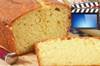
I have called
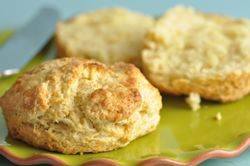
these scones, Coffeehouse Scones, because they are similar to what coffee
shops and bakeries sell. But a better name may be Buttermilk Scones as
buttermilk is used to bind all the ingredients together. This is a really nice tasting scone with a crisp
outer crust and a soft, almost bread-like texture. They are delicious plain,
or you can serve them with butter and jam, clotted cream and jam, or even
lemon curd and clotted cream or whipped cream. In the summer I also like
to use them to make Strawberry
Shortcake.
When you make scones do not
over mix the dough, as this will result in a tough scone. That is why I
prefer to make them by hand. But you can mix part of the dough in your
food processor. The dry ingredients can be mixed together in the food
processor and then you can add the cold butter and pulse just until you
have coarse crumbs. Then transfer the mixture to a large bowl and add the
buttermilk. Make sure to have your butter cold and I like to cut it
into small cubes as this makes it much easier to blend it into the flour
mixture. Now, you can add 1/2 cup (120 ml) of dried fruit (raisins,
currants, dried cranberries or cherries) or chopped nuts or even chocolate
chips to the dough. Once the dough is made, transfer it to a lightly
floured surface, knead it a few times to get a smooth dough, and pat or roll into a 7 inch (18 cm) round. Then you can
either cut the dough into rounds (with a cookie cutter) or wedges. Lightly
brush the tops of the scones with a little milk or cream to help with
browning. These scones are baked at a fairly high temperature which
produces that wonderful crisp golden brown crust. As always, scones are at their
best served warm from the oven, however they can be covered and stored at room temperature for a few
days or else frozen.
If you
are not familiar with buttermilk it has a nice thick creamy texture with a rich
tangy buttery taste that makes baked goods tender.
Whereas in the past buttermilk was made from the liquid left over after churning butter, it is now
commercially made by adding a bacteria to whole, skim, or low fat milk. You can make your own buttermilk by
adding 3/4 tablespoon of white distilled vinegar, cider vinegar, or lemon juice to
3/4 cup (180 ml) of whole or reduced fat milk. Let stand at room
temperature for about 10 minutes before using. Another option is to use
buttermilk powder which can be found in some grocery stores or in specialty food
stores.
Coffeehouse Scones: Preheat oven to 400 degrees F (200 degrees C) and place
oven rack in middle of oven. Line
a baking sheet with parchment paper.
In a large bowl,
whisk together the flour, sugar, baking powder, baking soda and salt. Cut the
butter into small pieces and blend into the flour mixture with a pastry blender
or two knives. The mixture should look like coarse crumbs. Add the
buttermilk and vanilla extract to the flour mixture and stir just until the
dough comes together. Do not over mix.
Transfer the dough to a lightly floured surface and
knead
the
dough gently and form into a 7 inch (18 cm) round that is about 1 inch (2.5 cm) thick.
Use a 2 1/2 inch (6.5 cm) round biscuit cutter to cut the dough into circles.
Transfer the scones to the baking sheet and brush the tops of the scones with a
little milk.
Bake
for about 18-20 minutes or until golden brown and a toothpick inserted in the
middle comes out clean. Remove from oven and transfer to a wire rack to cool.
Can be stored at room temperature for a few days.
Makes about 10 - 2
1/2 inch (6.5 cm) or 8 wedge-shaped
scones.
Use of materials on
all pages on the domains Joyofbaking.com,
the Joyofbaking.com Facebook
Page, the
Joyofbaking1 YouTube
Channel and any emails sent from @joyofbaking.com
are
entirely at the risk of the user and their owner, iFood Media LLC
will not be responsible for any damages directly or indirectly resulting
from the use.
References
cited may include a link to purchase the referenced book or item on Amazon.com.
Joyofbaking.com receives a commission on any purchases resulting from these
links.
This
website and the contents are not endorsed or sponsored by the owner of the
"Joy of Cooking" series of books or its publisher Simon & Schuster, Inc.
and is not related to the "Joy the Baker" books and website.
Video icons by Asher.
Content in any form may
not be copied or used without written permission of Stephanie Jaworski,
Joyofbaking.com. Students and non profit educators may use content without
permission with proper credit.