|
"Tea is much
more than a mere drink in Britain. It is a solace, a mystique,
an art, a way of life, almost a religion. It is more deeply
traditional than the roast beef of old England....This khaki-colored
concoction, brewed through an accident of history from an exotic
plant grown thousands of miles from fog, cricket and left-handed
driving, has become the life-blood of the nation."
- Cecil Porter of Gemini News
Service
In the past whether you took "afternoon tea" or "high tea" was a
peek into your social standing. Afternoon Tea was a light elegant meal served between a light
lunch and late dinner, usually between 3 o'clock and 5 o'clock,
and was mainly confined to the aristocracy with their leisurely
lifestyle. High Tea was a more substantial meal, including
meat and/or fish, and was really a early dinner which well
suited the middle and lower classes after a long day at work.
'Afternoon Tea' did not exist before the 19th century. At
that time lunch was eaten quite early in the day and dinner
wasn't served until 8 or 9 o'clock at night. But it wasn't
until Anna, the seventh Duchess of Bedford, asked for tea and
light refreshments in her room one afternoon, around 1830,
that the ritual began. The Duchess enjoyed her 'taking of
tea' so much that she started inviting her friends to join her.
Before long having elegant tea parties was very fashionable.
Demand for tea wares grew and soon there were tea services in
silver and fine bone china, trays, cake stands, servers, tea
caddies, tea strainers, teapots, and tea tables.
continued below....
|
 |
 |
 |
|
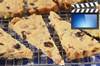
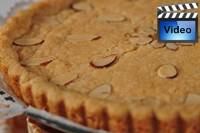
Almond Shortbread Cookies |
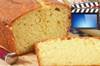
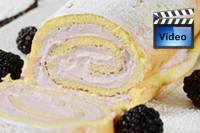
Sponge Cake filled with Raspberry Cream |
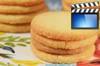
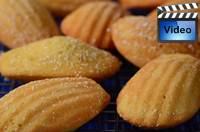
Madeleines |
|
Although this recipe is very
similar to a plain shortbread, it differs in that it uses not only all
purpose flour but also rice flour and almond flour which subtly changes
both its flavor and texture.
more |
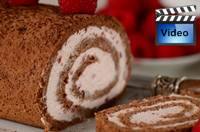
Sponge Cakes presented in
this way have a beautiful pinwheel design and they are often filled with
toppings like lemon curd, jam or preserves, fruit sauces, chopped nuts,
ganache. more. |
Whether you enjoy them
plain or dipped in your tea or coffee, these small petit fours sec make
the perfect afternoon treat. more |
|
 |
 |
 |
|
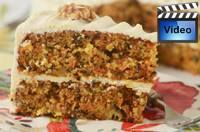
Carrot Cake |
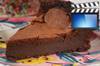
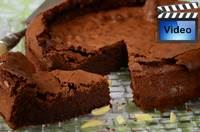
Chocolate Almond Torte |
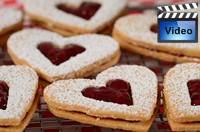
Linzer Cookies |
|
This Carrot Cake is moist and
flavorful with grated carrots and is frosted with a delicious cream cheese
frosting. more |
The popularity of the
Chocolate Torte is easy to understand. Just a few excellent ingredients
are needed to produce a dense and moist cake with an intense chocolate
flavor. more |
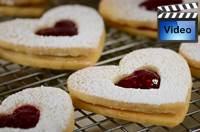
Linzer Cookies use the same ingredients
as the Linzertorte but present them in a different way. Two cookies are
sandwiched together with a layer of preserves.
more |
|
 |
 |
 |
|
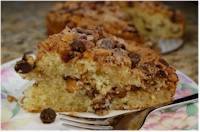
Coffee
Cake with
Streusel Topping |
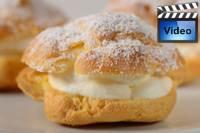
Cream Puffs |
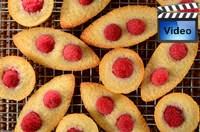
Financiers or Friands |
|
A mixture of toasted
nuts, chocolate chips, ground cinnamon and brown sugar is used both as a
filling and topping for this cake.
more |
A favorite is the cream puff
which is a hollow round of crisp choux pastry that is split in half,
filled with a cream or custard, and dusted with powdered sugar.
more |
Financiers are soft and
springy with a slightly domed top and a lovely golden brown crust. Take
a bite and you can taste the moist subtle flavor of butter and almonds.
more |
|
 |
 |
 |
|
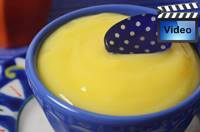
Lemon Curd |
Lemon Tart
|
Vanilla Cupcakes (Fairy Cakes) |
|
Lemon curd is a thick,
soft and creamy, spreadable cream that has a wonderful tart yet
sweet flavor. Traditionally it was used as a spread for scones but
today we also use it to fill our tarts, pies, cakes, and as part of
a trifle. more |
This Lemon Tart has a
buttery shortbread crust, a creamy lemon filling, and lovely swirls
of whipped cream on top. Absolutely Delicious.
more |
Vanilla Cupcakes are wonderfully sweet and buttery and are frosted with a
lovely Buttercream. more |
|
 |
 |
 |
|
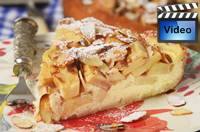
Apple Tart |
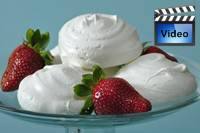
Meringue Cookies |
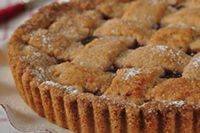
Linzer Torte |
|
This is one dessert that I
recommend eating shortly after it is baked; when the crust is at its
best, beautifully crisp and crumbly, the filling is soft and creamy, and
the apples are juicy and flavorful. more |
Meringue Cookies are so
airy, sweet and crisp that they seem to almost melt in your mouth.
more |
Linzertorte originated in
Linz, Austria and is very distinctive looking with its beautiful golden
brown crust, filled with ruby red preserves peeking through the pretty
lattice design. more |
|
|
 |
|
|
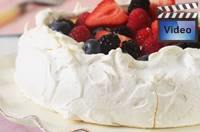
Pavlova |
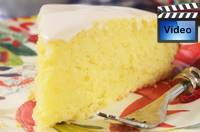
Lemon Frosted Lemon Cake |
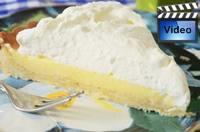
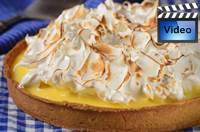
Lemon Meringue Tart |
|
This meringue cake, with its
unusual soft sweet marshmallow center and crisp crust is produced by
folding a little vinegar and cornstarch into the stiffly beaten egg whites
and sugar. more |
A simple pound-like
cake that has a wonderful citrus flavor that comes from adding both
lemon zest and juice to the batter.
more |
Lemon Meringue Tart is a
delicious combination of a sweet pastry crust, lemon curd filling, and
airy meringue. more |
|
 |
 |
 |
|
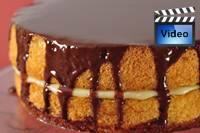
Boston Cream Pie (Cake) |
Shortbread Tarts with Cream Filling |
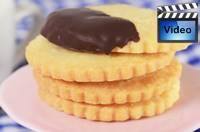
Shortbread Cookies |
|
Boston Cream Pie consists of
either a white sponge or butter cake that has been split in half and filled
with pastry cream. A chocolate glaze is then poured over the top of the
cake and allowed to drip down the sides. more |
These rich and buttery
miniature shortbread tarts are filled with a delicious cream filling
made with cream cheese, condensed milk and lemons. Garnish with
fresh strawberries, raspberries, blueberries or kiwi slices.
more |
Shortbreads are
traditionally a Christmas cookie that blends butter, sugar, and
flour to make a rich and delicate tasting cookie.
more |
|
 |
 |
 |
|
Strawberries filled with Cream |
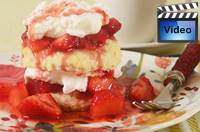
Strawberry Shortcake |
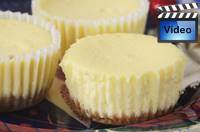
Individual Cheesecakes |
|
Fresh
strawberries are cut and filled with a delicious mixture of heavy
cream and mascarpone cheese.
more |
Strawberry Shortcake is
composed of a scone or biscuit that is cut in half and filled with
whipped cream and lightly sweetened strawberries.
more |
Individual Cheesecakes have
a lovely creamy smooth texture and are wonderfully rich.
more |
|
 |
 |
 |
|
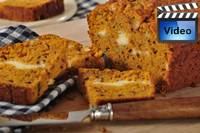
Pumpkin Bread with Cream Cheese Frosting |
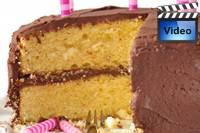
Yellow Butter Cake with Chocolate Frosting |
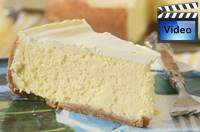
New York Style Cheesecake |
|
Pumpkin puree is used to
make this sweet, moist, and flavorful quick bread. What sets this bread
apart is a layer of cream cheese filling.
more |
This Yellow Butter Cake
has two moist and buttery cake layers that are filled and frosted with a
delicious chocolate frosting. more |
New
York Style Cheesecakes are creamy, and smooth, and rich, and dense, and
absolutely delicious. more |
|
 |
 |
 |
|
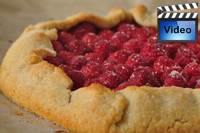
Raspberry Tart |
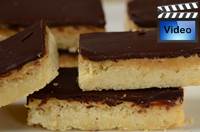
Millionaire's Shortbread
Bars |
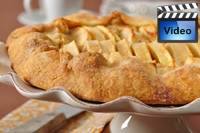
Apple Frangipane Tart |
|
This is my idea of the
perfect dessert; ruby red raspberries sitting in concentric circles on
top of a buttery flavored pastry. more |
This popular British
shortbread consists of three delicious layers; a buttery shortbread, a
smooth caramel, and a shiny layer of melted chocolate.
more |
The almond filling
(Frangipane) is a pastry cream made with almond paste that has a
delicious almond flavor. more |
Continued from above.
As times and
lifestyles changed the popularity of the formal afternoon tea
waned, but has seen a revival in recent years as people once
again enjoy its elegance. A "Devon Cream Tea" or
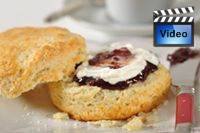
simply "Cream Tea" has recently been adopted where scones, with
clotted cream and jam, are made the main attraction served
alongside a steaming pot of tea.
Although we
tend to associate dainty cucumber sandwiches and scones with
afternoon tea, there is no set menu and it really depends on
the time of year, the setting, and personal tastes.
Sandwiches and scones are standard fare but other choices
can include muffins, crumpets, bread and butter, cakes, cookies
(biscuits), gingerbread, pastries, fruit, and a selection of jam
and jellies, preserves, lemon curd, and clotted cream.
Taking center
stage, of course, is the tea. Served from a teapot,
the brewing of the tea is very important. First, rinse
your teapot with warm water. Next, bring a kettle of water to
boil and pour it over the tea leaves, letting it steep for three to five
minutes. If using loose tea the rule is one heaping
teaspoon of tea for each cup of water, plus one teaspoon "for
the pot".
At one
time it was customary to first pour a little milk into the teacup. It was thought that the fine porcelain cup may crack
if the hot tea was poured directly into the empty cup.
Sugar was then offered in cube form, with tongs, or else
granulated. Normally the
host or hostess pours the tea and serves the food. Guests
can either be seated around a table or else in armchairs with an
end table nearby for them to place their cup and saucer,
teaspoon, plate, napkin, knife and fork.
There is a
wonderful assortment of fine teas available today. The
three main types are: Black, Oolong or Red, and Green Tea.
Assam, Ceylon, China Caravan, Darjeeling, Earl Grey, English
Breakfast, Irish Breakfast, Keemun, Kenya, Lapsang Souchong,
Nilgiri, Orange Pekoe, Rose Pouchong, Russian, and Yunnan are Black Teas.
Formosa/China Oolong and Formosa/China Pouchong are Oolong or
Red Teas, and Gunpowder and Jasmine are Green Teas. Tea is
sold either in tea bags or loose tea leaves. At one time
loose tea with its large leaves had a superior flavor as tea
bags were made with broken tea leaves and siftings that produced
a stronger darker tea. The introduction of fine quality tea bags
has changed that and now the choice between loose tea leaves or
tea bags is based more on personal preference.
Tea caddies can
be
used to store both tea leaves and bags. A small container,
once lockable to prevent servants from stealing the expensive
tea leaves, it keeps tea leaves fresh for up to 2 years and tea
bags for approximately 6 months.
To make proper tea sandwiches,
the bread must be very thin. If you are slicing the bread
yourself, partially freeze the bread first to make slicing
easier. You can flatten the bread further by using a rolling
pin. Favorites include thinly peeled and sliced cucumber
on lightly buttered white bread, egg sandwiches, and thinly
sliced baked ham with watercress and cream cheese. After making the sandwiches, cut the crusts off and cut
into triangles, squares, or else rounds (use a round cookie
cutter). To serve, place the sandwiches on a iceberg
lettuce-lined platter (lettuce has a high water content which
will keep the sandwiches moist), or use a hollowed-out loaf of
bread, also lined with the lettuce.
The
scones should be cut into rounds and served with Devonshire
Cream (rich cream) and jams (raspberry, strawberry, apricot,
etc.) in a doily-lined platter or basket. You can buy the
Devonshire
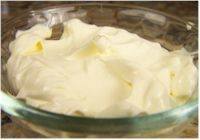
Cream at some specialty grocery stores or softly whipped heavy
cream makes a good substitute. Alternatively, you could serve
lemon curd (can be bought at
specialty stores or made yourself).
Finally, for
something a little different, you
might try reading tea leaves.
You can either hire a professional reader of tea leaves or simply
try your hand at reading the leaves.
|